Lladró — Porcelain That Becomes Legacy
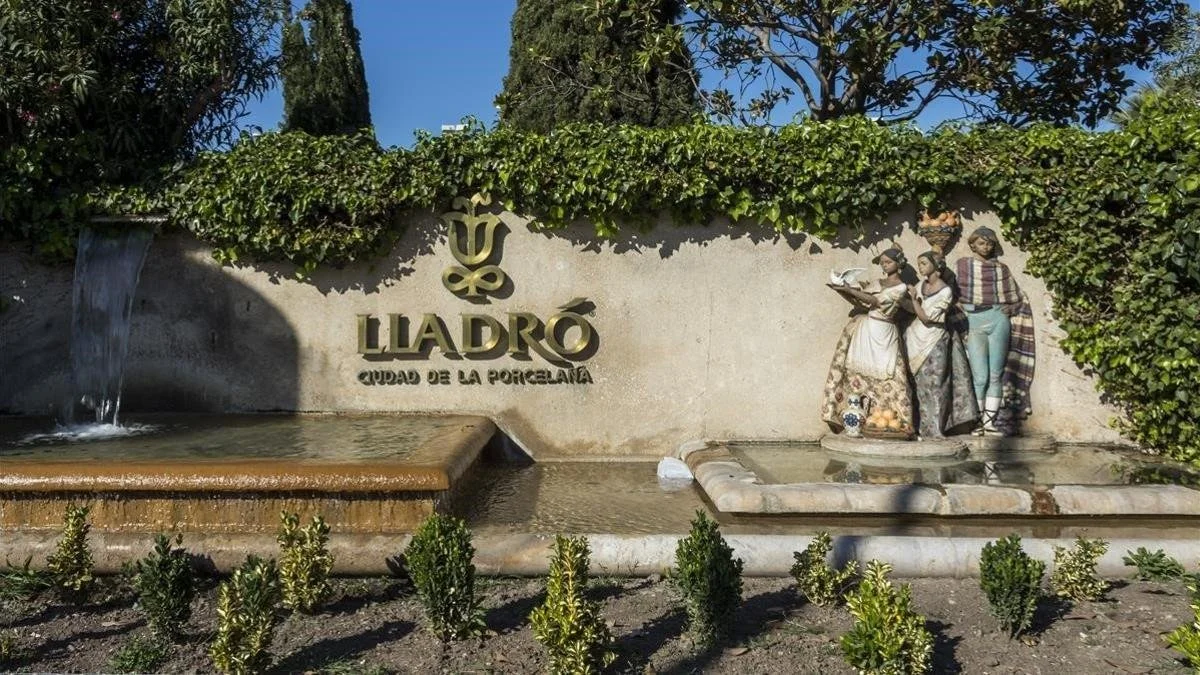
In a world driven by the temporary, Lladró represents permanence.
To speak of Lladró is to speak of one of the most enduring names in European ceramic art. A brand that, rather than fading with time, has done the opposite: it has strengthened its identity, evolved its aesthetic, and increasingly gained value as a collectible.
A humble origin that became a global reference
Lladró was founded in 1953 in Valencia, Spain, by brothers Juan, José, and Vicente Lladró, who began crafting handmade ceramic pieces in a small workshop.
From those early creations, the brand grew into a global icon of luxury porcelain and artistic craftsmanship, expanding internationally throughout the 1960s and 1970s while maintaining its commitment to handmade production.
Today, Lladró remains synonymous with refined European design, artisanal quality, and timeless elegance.
Why Lladró continues to increase in value
The growing appreciation of Lladró pieces is no coincidence. It is rooted in:
True craftsmanship — each piece is handmade and finished by artisans
Limited or discontinued productions
High-quality porcelain and distinctive finishes
Strong European heritage
Vintage pieces from the 1970s and 1980s are now increasingly sought after, shifting from decorative objects to valuable collectible porcelain pieces.
What was once widely available has become rare.
And rarity creates value.
PHILOMUSA: curated within a vast legacy
Lladró has produced thousands of designs over the decades. But not all pieces hold the same aesthetic or emotional value.
At PHILOMUSA, the focus is on curation — selecting pieces that stand out for their beauty, presence, and timeless appeal.
Objects that don’t just represent Lladró, but elevate it.
Three pieces that embody this legacy

Fish Centerpiece / Planter — Rare White & Green (1970s)
A rare and distinctive piece within the Lladró universe.
Its sculptural fish form balances function and artistry. The soft white and green tones highlight the brand’s delicate craftsmanship while offering a more contemporary visual presence.
A piece that exists between object and sculpture — refined yet expressive.
Eskimo Lladró (1970s)

Sculpted by Juan Huerta for Lladró.
Matte finish, in Perfect Conditions.
Made in Spain, 1978
23cms Tall
26cms Base
A piece from one of the most recognizable periods of the brand.
During the 1970s, Lladró developed figurative works with strong narrative sensitivity. This piece captures that spirit — delicate, human, and quietly expressive.
More than a figurine, it is a moment preserved in porcelain.
Horse Head Lladró

Stunning Horse Head ceramic sculpture by Salvador Furió for Lladró around 1970s
17cms Base
25cms Tall
An elegant and timeless interpretation of a classical subject.
The horse, a recurring symbol in art, is translated here into smooth lines and sculptural balance. It represents the harmony between tradition and modern design within Lladró’s language.
A versatile piece suited for both classic and contemporary interiors.
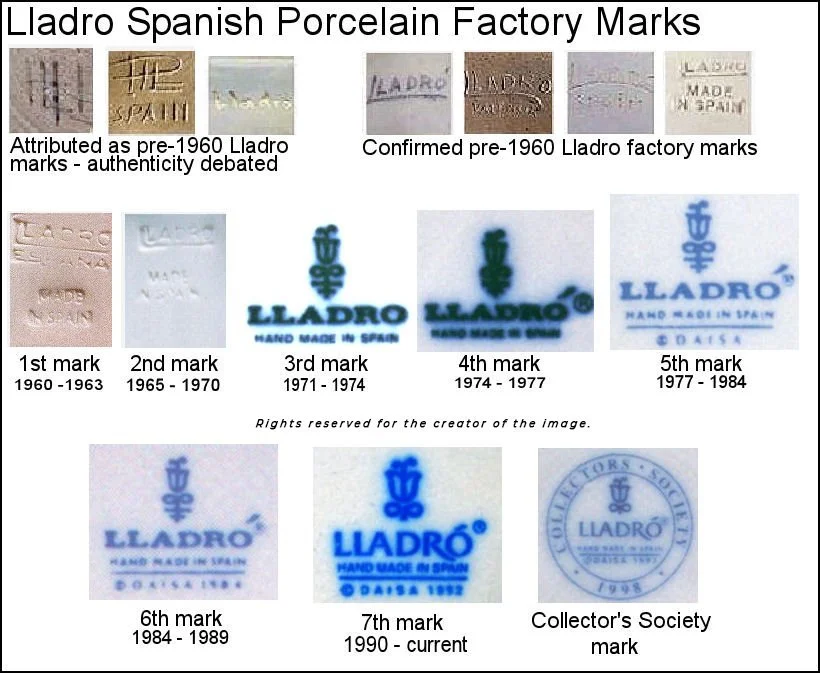
All our pieces bear original signatures and trademarks of the Lladró brand, widely known and registered. These unique pieces are in an enviable condition for their age, which speaks to the quality of the brand and the care that this Philomusa selection has received for almost 50 years.
Beauty that evolves over time
Some objects age.
Others mature.
Lladró pieces — especially those over 50 years old — develop something deeper with time: presence, character, and emotional weight.
They do not simply retain value.
They transform it.
Collecting as a form of sensitivity
Choosing a Lladró piece today is more than a decorative decision. It reflects a way of understanding objects, time, and space.
At PHILOMUSA, collecting is about intention — not accumulation.
Because among thousands of pieces, only a few truly stand out.
The ones that don’t just decorate, but endure.